



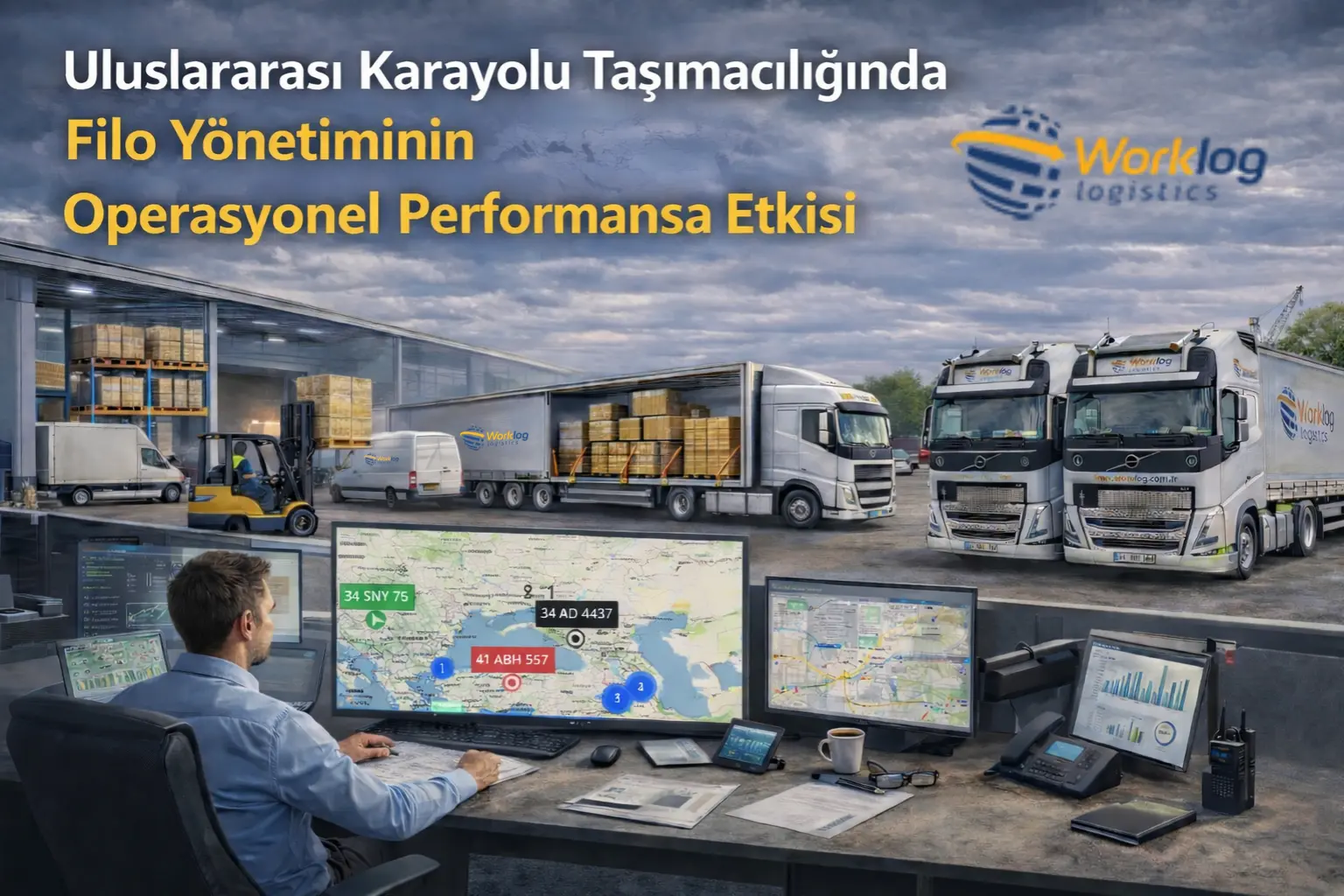
The Impact of Fleet Management on Operational Performance in International Road Transport
International road transport is not simply about securing vehicles. Operations carried out across Europe, Russia, Central Asia, and CIS routes require careful planning, coordination, and effective field management. At this point, fleet management becomes a strategic element that directly influences operational performance.
A well-managed fleet:
- improves transit time reliability
- ensures vehicle availability
- minimizes operational risks
- optimizes capacity planning
In international transportation, fleet management represents much more than cost control—it defines operational strength.
The Importance of Fleet Planning in International Operations
When transportation takes place between different countries, the dynamics of each route vary. While delivery precision is critical on European routes, border crossing planning becomes crucial on routes to Russia and Central Asia.
For this reason, fleet management must be integrated with operational processes such as:
- route-based vehicle planning
- departure organization based on border congestion
- preparation of alternative routes
- seasonal risk analysis
Planning vehicles not only according to load capacity but also according to delivery strategy significantly improves operational performance.
Owned Fleet and Operational Flexibility
Vehicle availability is a major advantage in international transport. Having an owned fleet provides several benefits:
- faster response during operational crises
- reduced dependency on external suppliers
- maintaining operational control within the company
- managing driver discipline within a corporate structure
An owned fleet creates operational flexibility, particularly during peak seasons and periods when border crossing risks increase.
Data and Control Mechanisms in Fleet Management
Modern fleet management is not limited to vehicle tracking. With real-time data analysis, companies can:
- monitor fuel consumption
- measure vehicle performance
- detect delay risks at an early stage
- analyze capacity utilization rates
Data-driven fleet management provides predictability in international operations.
Risk Management in International Transport
Waiting times at border crossings, weather conditions, and regulatory differences may increase operational risk. Fleet management must be prepared for such challenges.
Effective fleet management:
- creates alternative route plans
- balances vehicle and driver rotation
- minimizes operational delays
- provides planning flexibility
This approach directly affects customer satisfaction.
Fleet Management and Sustainable Operations
Fuel efficiency, the use of low-emission vehicles, and maintenance planning are key elements of sustainable transport. However, sustainability is not limited to environmental impact; it also includes operational sustainability.
Regular maintenance programs and performance analysis extend vehicle life while helping maintain cost control.
Conclusion
In international road transportation, fleet management is not merely about managing the number of vehicles—it is about managing the entire operation. Transit reliability, border crossing planning, and capacity optimization are only possible through effective fleet management.
When strategic planning, data analysis, and operational discipline come together, fleet management becomes a significant competitive advantage.